Basement Secret Archives

(877) woods-411
(877) 966-3741 

.

Wood For War
(Below)


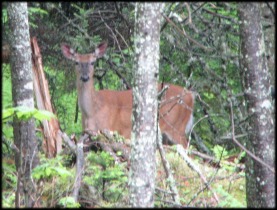
15 Tips For Better Wildlife Habitat

1. Have a good plan before you start.

2.  The more variety your woodland has the better it is for wildlife.  Keep a mixed stand. Kill only vines that are damaging future high quality crop trees.

3. If possible leave some un-harvested crops around your forest's  edge for winter forage.

4. Use tree harvest tops to build brush piles.  Concentrate the thinning residue in loosely stacked brush piles. Incorporate as much larger material (a minimum of 5 inches in diameter and 5 feet long) as possible to increase the useful life of the brush pile. Construct the piles approximately 4-5' high and 10-15' in diameter. It's better to build the brush piles near the woodland edge.

5. Thin timber stand regularly to promote growth and improve wildlife habitat. Harvest your trees selectively and regularly.

6.When establishing new forestland by tree planting, include a mixture of trees and shrubs that produce both food & cover.  Do not have a large area that it dominated by just 1 species of anything. 


7.Kill as many cull trees as possible by girdling them and leaving them stand. Kill cull trees standing. If trees are severed from the stump, do not chemically treat the stump.  Let them sprout.  Leave the proper number of den trees (1-3 per acre is usually adequate).They are not competing with crop trees anyway.

8. Build firebreaks. Woodland roads or trails are good for this. Use fire with caution

9. Keep domesticated livestock out. Fence off where necessary.


10. Brushy Areas are Good: Maintain brushy areas next to the  wooded edges for nesting, fawning, and hiding cover. These areas can be kept brushy by periodically mowing or burning on 4 to 5 year cycles.


11. Where woodland contains no desirable trees, clearcut these small areas to create woodland openings. Develop transition areas that encourage shrubs and grasses.

12. Establish wildlife travel lanes between woodlots and to watering places.

13. Cut no trees within 20-30 feet of creeks or rivers.

14. Plant food producing trees ( nuts,mulberry, oaks, persimmon, walnut. hickory, hackberry, dogwood, paw paw, fruit etc.) in woodland openings or just maintain openings depending on your overall objective.

15.When harvesting or improving woodland, leave food producing trees, den trees, standing dead trees and roost trees.

..


.

.

Wood For War (ca. 1942)
Calvin Company Kind of a strange war related film regarding wood and wood products from the US Forest Service. The film starts out with a bombastic narrator emphasizing the importance of wood for the war effort, with the constant repeating of the mantra "Wood for war, wood for peace." All the various uses for wood are listed off. The concept begins to get stretched a bit thin when it starts making claims like plastics are based from wood products and shows a woman wearing clothes that supposedly made from forest products. However, the real point of this film isn't towards the end. Since wood is so important, it is necessary that you do not carelessly set forest fires and take away from the necessary resources and manpower. The blaring music and booming narrator just makes the whole thing overblown. However, there is still some very nice color footage of 1940s forestry and wood practices, including shots inside a mill and logging trucks.


.

Paragraph.

.
For more video like this click here


.

..


.

Click Logo to Go Back Home -

Photobucket